
 Highstreetpharma.net is the ONLY Official Website. Best Price Guaranteed. Don’t trust communications from..
 Bookmark






REVIEWS ON GOOGLE, REDDIT, TECHMOREREVIEW.COM: EXCELLENT



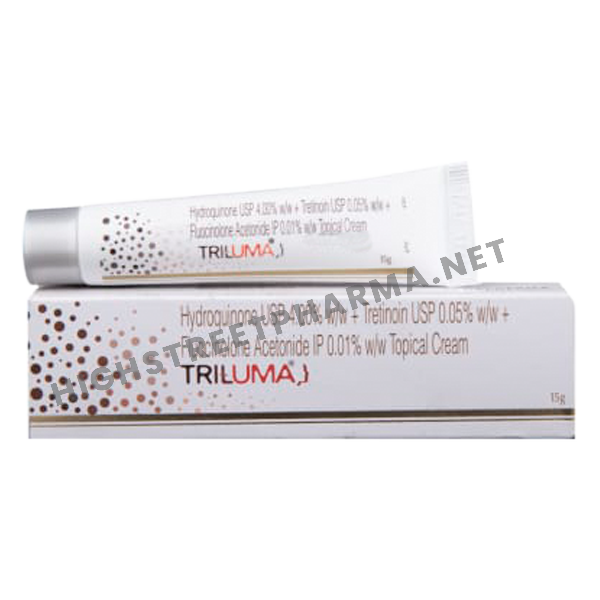
Triluma 15gm Cream
Price range: $30.87 through $133.00
Triluma Cream is a prescription medication that contains a mixture of medications used to treat melasma. It promotes rapid skin regeneration. It alleviates redness, swelling, and itching.
REVIEWS ON GOOGLE, REDDIT, TECHMOREREVIEW.COM: EXCELLENT

TriLuma 15gm Cream is a topical skin treatment formulated to help manage melasma, a common skin condition that causes dark, uneven patches on the face. It contains three active ingredients that work together to reduce excess pigmentation, support skin cell renewal, and control inflammation. The combination is designed for short-term treatment of moderate to severe facial melasma under medical supervision.
Understanding its ingredients, how they work, proper application, possible side effects, and precautions is important before using this cream. The following guide explains its product characteristics and relevant skincare information.
1. What Is TriLuma 15gm Cream?
TriLuma 15gm Cream is a prescription topical formulation used for the short-term treatment of moderate to severe melasma on the face. Melasma is a pigmentation condition that appears as brown, grey-brown, or darker patches, commonly on the cheeks, forehead, upper lip, and chin.
The condition is often associated with increased melanin production. Sun exposure, hormonal changes, pregnancy, and genetic factors can contribute to its development.
This cream combines three active ingredients with different functions. Rather than relying on a single pigmentation-reducing substance, its formulation works through several processes involved in skin discoloration.
It is intended for application to affected facial areas and should be used according to a healthcare professional’s instructions.
2. Active Ingredients and Their Functions
The formulation contains three primary active ingredients:
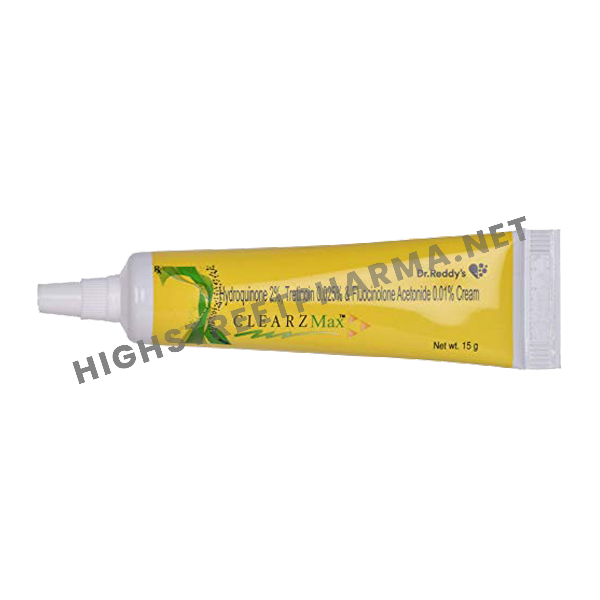
- Hydroquinone 4%: Helps reduce excessive melanin production.
- Tretinoin 0.05%: Supports skin cell turnover and helps improve the distribution of pigmentation.
- Fluocinolone acetonide 0.01%: A topical corticosteroid that helps control inflammation and irritation.
Each ingredient performs a different role, making the combination useful for managing certain types of facial pigmentation.
Hydroquinone 4%
Hydroquinone is a skin-lightening ingredient commonly used to manage hyperpigmentation. It works by interfering with tyrosinase, an enzyme involved in melanin production.
Melanin is the natural pigment responsible for skin, hair, and eye colour. When excessive melanin accumulates in particular areas, dark patches may develop.
By reducing pigment production, hydroquinone helps gradually improve the appearance of discoloured areas. Its effects are not immediate, and consistent use according to medical instructions is important.
Tretinoin 0.05%
Tretinoin is a topical retinoid derived from vitamin A. It influences skin cell growth and turnover, encouraging the replacement of older surface cells with newer ones.
In pigmentation treatment, tretinoin can help improve the penetration and effectiveness of other topical ingredients. It also supports the gradual improvement of uneven skin tone and rough texture.
However, tretinoin may cause dryness, peeling, redness, or sensitivity, particularly during the initial stages of treatment.
Fluocinolone Acetonide 0.01%
Fluocinolone acetonide is a corticosteroid that helps reduce inflammation in the skin. It is included in the formulation to help manage irritation associated with the other active ingredients.
Although corticosteroids can be useful in certain dermatological treatments, prolonged or inappropriate use may cause unwanted skin changes. Therefore, the cream should not be used for longer than the prescribed treatment period.
3. What Is TriLuma Cream Used For?
The primary use of this cream is managing moderate to severe melasma affecting the face. It may be prescribed when pigmentation requires a combination of ingredients rather than a single topical treatment.
Its main uses include:
Managing facial melasma: Melasma can cause symmetrical dark patches on different parts of the face. The combination of hydroquinone, tretinoin, and fluocinolone helps address pigmentation through different mechanisms.
Improving uneven skin tone: Excess melanin production can make certain areas appear darker than the surrounding skin. Hydroquinone helps reduce further pigment formation, while tretinoin supports skin renewal.
Reducing the appearance of dark patches: With appropriate treatment, existing pigmentation may gradually become less noticeable. The degree of improvement depends on the severity of melasma, skin characteristics, sun exposure, and individual response.
It is important to understand that this formulation is specifically indicated for facial melasma. Its effectiveness for other pigmentation conditions has not been established to the same extent.
4. How Does the Three-Ingredient Formula Work?
The three ingredients work together to address different factors involved in melasma.
First, hydroquinone helps reduce melanin production, which is responsible for dark patches. Second, tretinoin supports the natural process of skin cell renewal and helps improve the distribution of pigmentation. Finally, fluocinolone acetonide helps control inflammation that may occur during treatment.
This combination provides a multi-action approach to pigmentation management. However, the exact mechanism through which all three ingredients work together in melasma treatment is not completely understood.
The formulation is intended for controlled, short-term use rather than continuous daily application over an extended period.
5. How to Apply TriLuma 15gm Cream
Correct application is important because the formulation contains active ingredients that may irritate the skin when used incorrectly.
The general application instructions are:
- Wash the affected facial area gently with a mild cleanser.
- Pat the skin dry using a clean, soft towel.
- Allow the skin to become completely dry before application.
- Apply a thin layer of cream to the affected areas as directed by your healthcare professional.
- Gently rub the cream into the skin until it is evenly distributed.
- Wash your hands after applying the product.
The prescribed formulation is generally applied once daily in the evening, at least 30 minutes before bedtime. Avoid applying it to the eyes, lips, nostrils, or broken skin.
During the daytime, sunscreen with SPF 30 or higher and protective clothing are important. Sun exposure can worsen melasma and reduce the effectiveness of pigmentation treatment.
Do not increase the quantity or frequency of application to achieve faster results. Follow the prescribed treatment duration.
6. Possible Benefits of TriLuma Cream
When prescribed appropriately, this combination may offer several benefits for people experiencing facial melasma.
- Combination formulation: It brings together three active ingredients that perform different functions in pigmentation management.
- Targeted pigmentation treatment: It is specifically formulated for moderate to severe facial melasma.
- Supports a more even-looking complexion: Reduced pigmentation may help improve the appearance of uneven skin tone.
- Multiple treatment mechanisms: The ingredients address melanin production, skin renewal, and inflammation.
- Short-term treatment option: It provides a medically supervised approach for managing persistent facial pigmentation.
Results vary between individuals, and the cream does not guarantee complete or permanent removal of melasma.
7. Possible Side Effects
Like other prescription dermatological treatments, this cream can cause side effects. Some reactions are mild and temporary, while others may require medical attention.
Commonly reported side effects include:
- Redness around the application area
- Dryness and skin peeling
- Burning or stinging sensations
- Itching or irritation
- Increased skin sensitivity
- Acne or acne-like breakouts
These reactions may occur because tretinoin increases skin turnover and hydroquinone affects pigmentation processes. The corticosteroid component also carries risks when used for extended periods.
More serious concerns include allergic reactions, excessive skin irritation, and exogenous ochronosis. Exogenous ochronosis is an uncommon condition in which the skin gradually develops a blue-black discoloration, which may be associated with prolonged hydroquinone exposure.
Stop using the cream and seek medical advice if you experience severe irritation, unusual darkening, swelling, blistering, or signs of an allergic reaction.
8. Important Precautions Before Using the Cream
A few precautions should be considered before beginning treatment.
Sun protection: Ultraviolet exposure can worsen melasma. Use broad-spectrum sunscreen and protective clothing during the day.
Pregnancy and breastfeeding: The safety of this combination during pregnancy and breastfeeding has not been established. Tretinoin is associated with potential risks to fetal development. Discuss treatment with a healthcare professional before use.
Sensitive skin: People with sensitive or easily irritated skin may experience more noticeable redness, burning, or peeling.
Allergies: The formulation contains sodium metabisulfite, which may cause allergic reactions in susceptible individuals.
Other skincare products: Avoid combining the cream with strong exfoliants, irritating cleansers, or other retinoid products unless a dermatologist approves the combination.
Prolonged use: Extended corticosteroid use may cause skin thinning, visible blood vessels, and other unwanted skin changes. Hydroquinone may also cause unwanted pigmentation changes with inappropriate long-term use.
Do not use this cream if you have a known allergy to any of its ingredients.
9. How Long Does It Take to See Results?
The time required to notice improvement depends on the severity of melasma, consistency of application, skin response, and exposure to sunlight.
Some individuals may notice gradual changes in pigmentation during the treatment period, while others may require further evaluation if improvement is limited.
The approved formulation is intended for short-term treatment, generally up to eight weeks. It is not designed for indefinite use or as a maintenance cream.
Melasma can return after treatment is discontinued, particularly when contributing factors such as sunlight exposure remain present. A dermatologist may recommend alternative maintenance treatments after the initial treatment course.
10. Who Should Consult a Dermatologist Before Using It?
Although the formulation is designed for facial pigmentation, it may not be appropriate for everyone.
People with sensitive skin, existing skin infections, allergies, or a history of reactions to topical medications should seek medical advice before using it.
Individuals who are pregnant, breastfeeding, or planning pregnancy should discuss the potential risks with a healthcare professional.
People with darker skin tones should also receive appropriate medical guidance because excessive lightening and other unwanted pigmentation changes are possible.
A dermatologist can assess the type of pigmentation, determine whether melasma is present, and decide whether this combination is suitable.
11. Storage and Handling
Proper storage helps maintain the quality of topical medications.
- Follow the storage instructions printed on the product packaging.
- Keep the container tightly closed when not in use.
- Protect the cream from excessive heat and direct sunlight.
- Do not freeze the product.
- Keep it away from children and pets.
- Check the expiry date before application.
- Do not use the cream if its appearance or consistency changes unexpectedly.
Storage requirements can vary depending on the specific marketed formulation, so always follow its accompanying instructions.
12. Final Overview
TriLuma 15gm Cream is a prescription topical treatment designed for managing moderate to severe facial melasma. Its formulation combines hydroquinone 4%, tretinoin 0.05%, and fluocinolone acetonide 0.01%, with each ingredient performing a different role in pigmentation management.
Hydroquinone helps reduce melanin production, tretinoin supports skin cell renewal, and fluocinolone acetonide helps control inflammation. Together, these ingredients provide a combination approach to improving the appearance of melasma.
However, this cream requires careful application and medical supervision because it may cause irritation, dryness, peeling, and other unwanted skin reactions. Sun protection is an essential part of treatment, and prolonged use should be avoided.
Understanding its composition, intended use, precautions, and potential side effects can help individuals make informed decisions about facial pigmentation treatment. A qualified dermatologist should determine whether this formulation is appropriate and recommend a suitable treatment duration.
Content Source: View Source PDF
Additional information
| Cream | 1 Cream, 3 Cream, 6 Cream |
|---|




Lara Head –
I received assistance with placing my order, creating an account, and all product details. The individual assisting me was excellent! Thanks, HighStreetPharma
davispadro –
Great Customer Service