 Highstreetpharma.net is the ONLY Official Website. Best Price Guaranteed. Don’t trust communications from..
 Bookmark






REVIEWS ON GOOGLE, REDDIT, TECHMOREREVIEW.COM: EXCELLENT



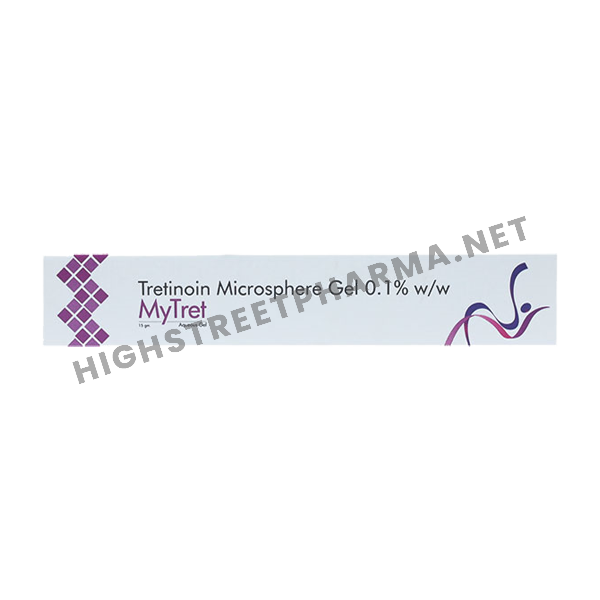
MYTRET 0.1% Gel 15gm
Price range: $8.33 through $45.10
MYTRET 0.1% GEL contains Tretinoin, which belongs to the group of medicines called Retinoids. It is used to treat acne. It can also be used to treat wrinkles, skin spots and rough skin. Acne is defined as a skin disease involving inflammation of the sebaceous follicles of the face and upper body, characterized by lesions on the face, back, upper chest and shoulders.
REVIEWS ON GOOGLE, REDDIT, TECHMOREREVIEW.COM: EXCELLENT

MYTRET 0.1% Gel 15gm is a topical skincare formulation containing tretinoin, a vitamin A derivative commonly used in the management of acne. It belongs to a group of medicines known as topical retinoids, which work by influencing the growth and renewal of skin cells. The 0.1% strength is a relatively high concentration, generally intended for use under medical supervision.
Tretinoin is widely used to address acne-related concerns, particularly clogged pores, blackheads, whiteheads, and certain types of pimples. Understanding its formulation, working mechanism, application method, and possible reactions can help users follow a more informed skincare routine.
What Is MYTRET 0.1% Gel?
MYTRET 0.1% Gel is a topical preparation containing 0.1% tretinoin as its active ingredient. It is designed to be applied directly to the affected areas of the skin. Its gel formulation provides a lightweight application and is commonly used in acne treatment.
Tretinoin belongs to the retinoid family and is related to vitamin A. Unlike ordinary cosmetic skincare ingredients, it changes how skin cells develop and shed. This action helps prevent dead skin cells from accumulating inside hair follicles, which is one of the contributing factors behind acne formation.
Because the 0.1% concentration can cause noticeable irritation, it should only be used according to a healthcare professional’s instructions.
How Does Tretinoin 0.1% Work?
Acne can develop when excess oil, dead skin cells, and other materials accumulate inside hair follicles. These blockages may form comedones, including blackheads and whiteheads. Some blocked follicles can also become inflamed, resulting in pimples.
Tretinoin helps regulate the skin’s natural cell turnover process. It encourages the shedding of old skin cells and reduces the likelihood of dead cells collecting inside pores. By helping keep pores clear, it can reduce the formation of new acne lesions over time.
Its effects are gradual rather than immediate. Regular, properly supervised use is generally more important than applying larger amounts. Excessive application does not necessarily improve results and may increase irritation.
Main Uses and Potential Benefits
The primary use of tretinoin gel is the topical treatment of acne vulgaris. It is particularly useful for comedonal acne, which includes blackheads and whiteheads.
Some potential benefits include:
- Helps unclog pores: Supports the removal of accumulated dead skin cells that contribute to blocked pores.
- Addresses blackheads and whiteheads: Helps reduce the formation of comedones through its effect on skin cell turnover.
- Supports acne management: Can help control the development of new acne lesions with consistent use.
- Improves skin texture: Continued treatment may gradually improve uneven texture associated with acne.
- Supports long-term pore maintenance: Helps reduce the accumulation of dead skin cells within hair follicles.
Results differ between individuals, and tretinoin should not be considered an instant solution for acne or acne marks.
How to Apply MYTRET 0.1% Gel
Proper application is important because tretinoin can irritate the skin, particularly during the initial stages of treatment.
First, wash the affected area using a mild cleanser and gently pat the skin dry. Allow the skin to become completely dry before applying the gel. Use only the small amount recommended by your healthcare professional and spread it into a thin layer over the affected area.
Avoid applying the product near the eyes, lips, corners of the nose, or on broken or irritated skin. Wash your hands after application.
Use it at the frequency prescribed by your doctor. Do not increase the quantity or application frequency to speed up results. Applying more product can increase dryness, redness, and peeling without providing additional benefits.
Possible Side Effects
Like other topical retinoids, tretinoin 0.1% may cause temporary skin reactions, especially when treatment begins. The skin needs time to adjust to the active ingredient.
Common side effects include:
- Skin dryness and tightness
- Mild redness or irritation
- Peeling and flaking
- Burning or stinging sensations
- Increased sensitivity to sunlight
- Temporary worsening of acne during the early treatment period
These reactions may become less noticeable as the skin adjusts. However, severe irritation, swelling, blistering, or persistent discomfort should be reported to a healthcare professional. Treatment may need to be adjusted or stopped.
Precautions Before Using the Gel
A few precautions are important when using a high-strength tretinoin formulation.
Sun protection: Tretinoin can make the skin more sensitive to sunlight. Apply broad-spectrum sunscreen during the day and limit unnecessary exposure to direct sunlight.
Avoid harsh skincare products: Strong exfoliants, alcohol-based toners, abrasive scrubs, and other irritating acne treatments may increase dryness and irritation when combined with tretinoin.
Sensitive or damaged skin: Avoid applying the gel to sunburned, broken, inflamed, or eczema-affected skin unless specifically advised by a doctor.
Pregnancy and breastfeeding: People who are pregnant or planning pregnancy should avoid topical tretinoin unless their healthcare professional provides specific guidance. Discuss breastfeeding before starting treatment.
Medical guidance: Inform your doctor about existing skin conditions, allergies, and other topical or oral medications before beginning treatment.
When Can Results Be Expected?
Tretinoin works gradually, so visible improvements may take several weeks. Some individuals notice changes in clogged pores and acne lesions within the first few weeks, while more consistent improvement may require a longer treatment period.
During the adjustment phase, mild peeling, dryness, or temporary acne worsening may occur. These reactions do not automatically mean the treatment is ineffective. However, significant irritation should never be ignored.
The speed of improvement depends on acne severity, skin sensitivity, application consistency, and individual response to treatment. Following the prescribed routine is more important than trying to achieve faster results.
Storage and Handling
Store MYTRET 0.1% Gel in its original packaging and follow the storage instructions printed on the product label. Keep the tube tightly closed when not in use and protect it from excessive heat and direct sunlight.
Keep the product away from children and avoid transferring the gel into another container. Always check the expiry date before application. Since some gel formulations contain flammable ingredients, keep the product away from flames, heat sources, and smoking materials where applicable.
Final Thoughts
MYTRET 0.1% Gel 15gm is a tretinoin-based topical formulation primarily intended for acne management. Its active ingredient works by influencing skin cell turnover and helping prevent the accumulation of dead cells inside pores. With appropriate medical supervision, it can form part of a structured acne treatment routine.
However, the 0.1% strength requires particular care because dryness, peeling, redness, and irritation can occur. Correct application, suitable moisturisation, sun protection, and professional guidance are important for using this treatment responsibly.
Content Source: View Source PDF
Additional information
| Tube | 1 Tube/s, 3 Tube/s, 6 Tube/s |
|---|




Clarice –
Recommended product. I would buy it again in the future.