
 Highstreetpharma.net is the ONLY Official Website. Best Price Guaranteed. Don’t trust communications from..
 Bookmark






REVIEWS ON GOOGLE, REDDIT, TECHMOREREVIEW.COM: EXCELLENT




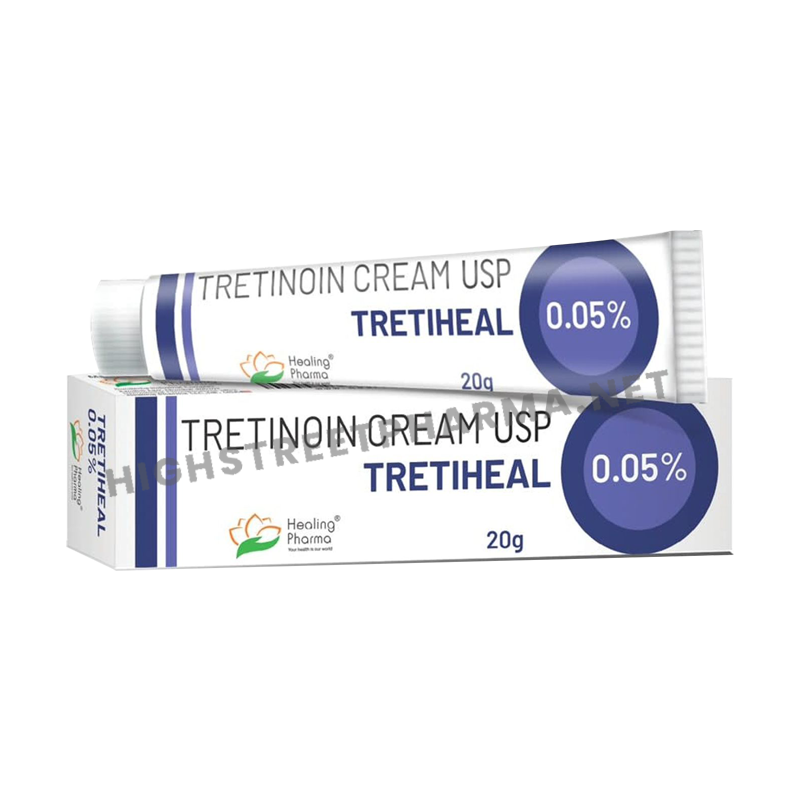
Tretiheal Cream (Tretinoin Cream)
Price range: $7.22 through $38.24
- It is a topical therapy for treating acne vulgaris.
- It is used to smooth out facial skin.
- It is used to correct hyperpigmentation.
- It is a treatment for skin ageing concerns such as wrinkles, dark spots etc.
REVIEWS ON GOOGLE, REDDIT, TECHMOREREVIEW.COM: EXCELLENT

Tretiheal Cream contains tretinoin, a topical retinoid derived from vitamin A that is commonly used in dermatological treatments. It is primarily associated with the management of acne and improving certain skin concerns related to clogged pores, uneven texture, and changes in skin cell turnover. Tretinoin works by influencing how skin cells develop and shed, helping prevent the accumulation of dead skin cells inside hair follicles.
Topical tretinoin has been widely studied for its role in acne management and skin renewal. However, its effectiveness depends on the formulation, concentration, regular application, and individual skin response. Understanding how this cream works, how it is generally used, and what precautions are necessary can help people make informed decisions about their skincare treatment.
What Is Tretiheal Cream?
Tretiheal Cream is a topical formulation containing tretinoin as its active ingredient. Tretinoin belongs to a group of medications known as retinoids, which are related to vitamin A. These medications influence skin cell growth and turnover.
The cream is generally used to treat acne vulgaris, particularly acne associated with clogged pores, blackheads, and whiteheads. Depending on the prescribed formulation and treatment plan, tretinoin may also be used to improve certain signs of sun-related skin damage.
Unlike ordinary moisturising creams, tretinoin is an active dermatological medication. It works on processes within the skin rather than simply providing surface hydration. The concentration of tretinoin can differ between formulations, so the product strength should always be checked before use.
How Does Tretinoin Work on the Skin?
Tretinoin works by increasing the turnover of skin cells and reducing the formation of comedones, which are blocked hair follicles that contribute to acne. Dead skin cells can combine with natural skin oils and accumulate inside pores. This can create an environment where blackheads, whiteheads, and other acne lesions develop.
By regulating the shedding of skin cells, tretinoin helps prevent pores from becoming blocked. It also supports the gradual removal of existing comedones, which can reduce the development of new acne lesions over time.
Tretinoin influences specific receptors in skin cells, affecting the processes involved in cell differentiation and renewal. These effects explain why improvements are gradual rather than immediate.
During the initial stages of treatment, some people experience dryness, peeling, redness, or temporary irritation. These reactions are associated with the skin adjusting to the medication and should be monitored carefully.
Common Uses of Tretiheal Cream
Tretinoin cream is primarily associated with acne treatment. Its dermatological applications may include the following:
- Management of Acne
One of the main uses of topical tretinoin is treating acne vulgaris. It helps reduce blocked pores, particularly comedonal acne. With consistent treatment, it may also help reduce the formation of new acne lesions.
- Blackheads and Whiteheads
Blackheads and whiteheads develop when pores become blocked with dead skin cells and natural oils. Tretinoin helps regulate the shedding of skin cells, reducing the formation of these blockages.
- Uneven Skin Texture
The skin-renewing properties of tretinoin may gradually improve certain forms of rough or uneven skin texture. Results depend on the underlying concern and the individual’s response to treatment.
- Fine Lines and Sun-Related Skin Changes
Some tretinoin formulations are prescribed for photoaged skin, including certain fine lines, roughness, and pigmentation changes caused by long-term sun exposure. However, these uses depend on the specific formulation and medical advice.
- Post-Acne Marks and Uneven Tone
Tretinoin may help improve certain forms of post-inflammatory hyperpigmentation by supporting skin cell turnover. However, it is not suitable for every type of pigmentation, and improvement can take several months.
How to Use Tretiheal Cream
Tretinoin should be applied according to the instructions provided by a qualified healthcare professional. The correct amount and frequency depend on the product concentration, skin sensitivity, and treatment purpose.
A general application approach includes the following steps:
- Wash the affected area gently with a mild cleanser.
- Pat the skin dry using a clean, soft towel.
- Allow the skin to become completely dry before applying the medication.
- Apply a thin layer over the affected area rather than using a thick amount on individual spots.
- Wash your hands after application, unless the hands are the treatment area.
- Follow the recommended application schedule provided by your healthcare professional.
Tretinoin is commonly used in the evening because sunlight can affect the stability of some formulations and treated skin may become more sensitive to sunlight. Avoid applying it to broken, sunburned, irritated, or eczematous skin unless specifically instructed by a healthcare professional.
Using a larger quantity does not make the treatment work faster. It can instead increase irritation, redness, and peeling.
How Long Does Tretinoin Take to Show Results?
Tretinoin works gradually, so visible improvements generally require consistent use over time. Some people may notice changes in their skin within the first few weeks, but meaningful acne improvement often takes around 8 to 12 weeks.
During the early treatment period, acne may appear temporarily worse in some individuals. This can occur as existing clogged pores become more visible during the skin renewal process. However, severe or persistent worsening should not automatically be considered a normal adjustment reaction.
Improvements in skin texture and certain pigmentation concerns may take several months. The exact timeline depends on the severity of the skin condition, treatment consistency, formulation strength, and individual skin characteristics.
Possible Side Effects
Like other topical retinoids, tretinoin can cause local skin reactions, particularly when treatment begins. Common effects include:
- Dryness and skin peeling.
- Redness around the application area.
- Mild burning or stinging.
- Increased skin sensitivity.
- Temporary irritation and itching.
- Increased sensitivity to sunlight.
These effects may become more noticeable when excessive amounts are applied or when tretinoin is combined with other irritating skincare ingredients.
Severe swelling, blistering, intense burning, or significant skin reactions require medical attention. Treatment may need to be adjusted or discontinued under professional guidance.
Important Precautions Before Using Tretinoin
Before beginning treatment, it is important to consider individual skin conditions and other products used in a skincare routine.
Sun Protection: Tretinoin-treated skin can be more sensitive to sunlight. Use a broad-spectrum sunscreen with SPF 30 or higher during the day, wear protective clothing, and limit unnecessary sun exposure.
Avoid Harsh Skincare Products: Strong exfoliants, abrasive cleansers, alcohol-based products, and other irritating treatments can increase skin discomfort. Introduce additional active ingredients only after receiving appropriate advice.
Sensitive Skin: People with eczema, rosacea, or naturally sensitive skin should discuss the suitability of tretinoin with a healthcare professional before starting treatment.
Pregnancy: Topical tretinoin is generally avoided during pregnancy as a precaution. Anyone who is pregnant, planning pregnancy, or breastfeeding should consult a healthcare professional before using it.
Eye and Mouth Contact: Avoid applying the cream near the eyes, nostrils, lips, and other sensitive areas unless specifically instructed.
Skincare Tips During Treatment
A simple skincare routine can help reduce irritation while using tretinoin. Choose a gentle cleanser that does not leave the skin feeling excessively dry. Apply a non-comedogenic moisturiser to support the skin barrier and help manage dryness.
During the daytime, use broad-spectrum sunscreen and reapply it as directed, particularly when spending extended periods outdoors. Avoid unnecessary scrubbing, facial brushes, and frequent exfoliation.
It is also useful to introduce tretinoin gradually when advised by a healthcare professional. Starting with a suitable frequency and adjusting according to skin tolerance can help reduce unnecessary irritation.
Consistency is more important than applying excessive amounts. People should also avoid changing several skincare products at once because doing so can make it difficult to identify the cause of irritation.
Storage and Handling
Store the cream according to the instructions printed on its packaging. Keep the container tightly closed and away from excessive heat, moisture, and direct sunlight. Do not use the product after its stated expiry date.
Keep topical medications out of the reach of children and avoid transferring the cream into unlabelled containers. Check the packaging for the active ingredient, concentration, storage instructions, and expiry information before use.
Conclusion
Tretiheal Cream contains tretinoin, a vitamin A-derived topical retinoid primarily used in acne management. It works by regulating skin cell turnover and helping prevent the formation of clogged pores. Depending on the formulation and medical recommendation, tretinoin may also be used for certain concerns involving skin texture and sun-related skin changes.
Results develop gradually, and regular use according to professional instructions is important. Dryness, redness, peeling, and irritation are possible, especially during the initial treatment period. A gentle skincare routine, regular moisturising, and daily sun protection can help support the skin during treatment.
Before using this medication, individuals should confirm the appropriate strength and application schedule with a qualified healthcare professional. Following the prescribed directions and understanding possible side effects can help ensure that tretinoin is used appropriately.
Content Source: View Source PDF
Additional information
| Doses | 0.025%, 0.05%, 0.1% |
|---|---|
| Tube | 1 Tube/s, 3 Tube/s, 6 Tube/s |




Robert –
Game-Changer! Tretinoin cream has been my skincare superhero. It’s the holy grail for tackling acne and those pesky fine lines. My skin texture has improved dramatically, and I feel more confident than ever. A skincare must-have!